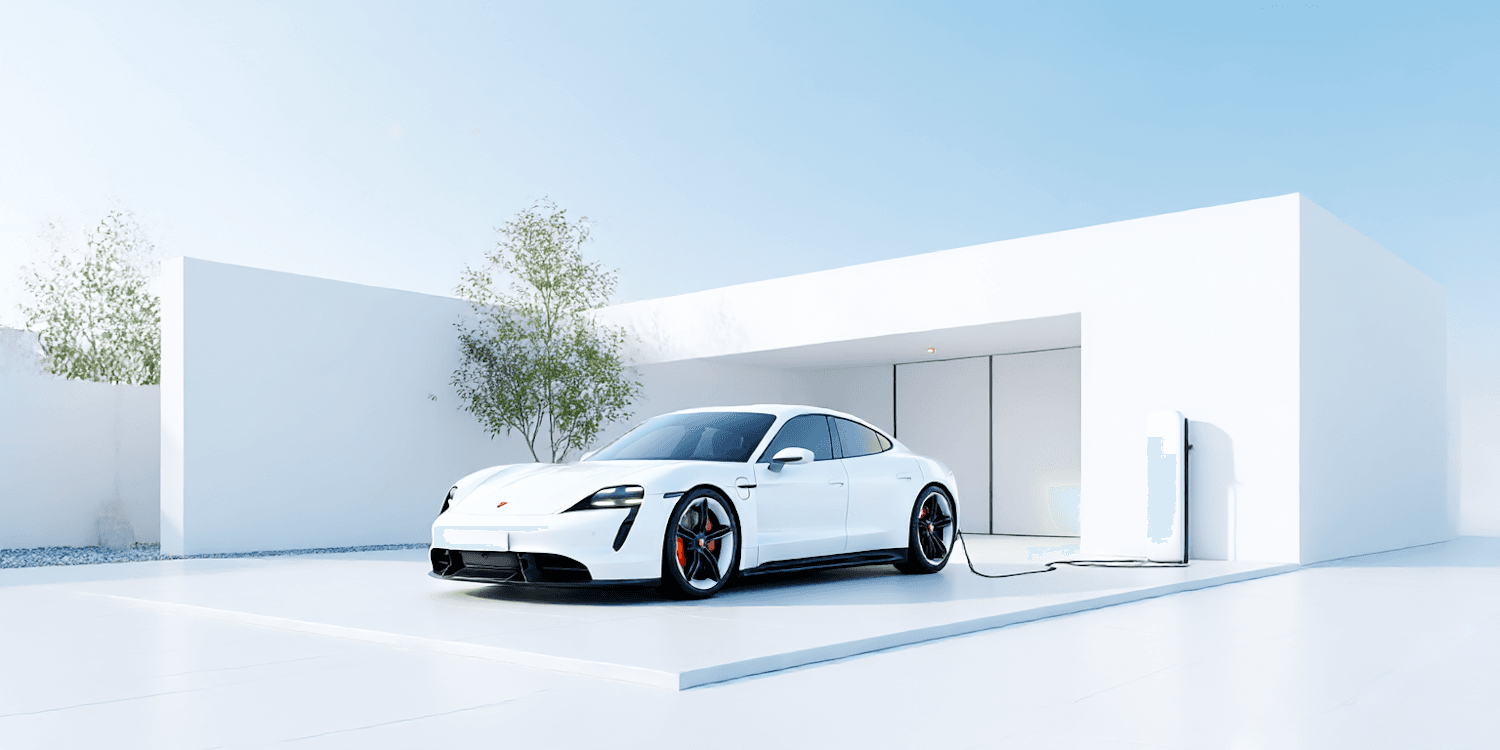
A different rhythm, not a harder one
Charging an electric car is not refuelling a petrol one more slowly. It is a different habit: you plug in where you park longest, you top up on the move only when the journey needs it, and after a fortnight you stop thinking about it. This page explains how it works without pretending the answer is a single number.
The charge you will use most
The great majority of charging happens where the car is parked longest, which for most owners is at home overnight. Get this part right and public charging becomes something you only think about on long journeys.
A wall box is the upgrade that matters
A dedicated home charger delivers far more power than a domestic socket and turns charging into something that finishes while you sleep. It is the single change that makes electric ownership feel effortless.
Charge on cheap electricity
Schedule charging into an off-peak window from the car or the app. The car wakes, charges and stops on its own, so you get the lower rate without setting an alarm.
Set a departure time
Tell the car when you leave and it will time the charge to finish near then, and warm or cool the cabin while it is still plugged in so that energy comes from the wall rather than the battery.
A standard socket as backup
The car will charge from a domestic socket using the supplied cable. It is considerably slower and is best kept for occasional use, staying somewhere without a charger or an unexpected top-up.
For journeys, not for routine
Public charging splits into two jobs. Rapid chargers on main routes exist to get you moving again quickly on a long trip. Slower destination chargers at car parks, hotels and workplaces exist to top you up while you are doing something else.

Rapid charging on route
High-power chargers on motorway corridors are designed for short stops. In practice you plug in, take a break, and leave with enough range to comfortably finish or continue the journey.
Destination charging
Slower chargers where you are already parked for hours are the quiet workhorses of the network. You are not waiting for them, so their speed matters much less than their availability.
Planning built into navigation
Enter a destination beyond your current range and the car adds charging stops to the route, choosing them based on your remaining charge and the chargers actually available.
Preconditioning before you arrive
When a rapid stop is on your route, the car brings the battery to the right temperature before you get there. A cold battery charges slowly, and this is what prevents that.
How long it actually takes
There is no single honest answer to this question, because charging speed is set by the charger, the battery temperature and how full the battery already is. What follows is how to think about it rather than a number that will not hold true on your driveway.
At home, overnight
A home wall box is sized to refill the battery comfortably within the hours a car is normally parked overnight. In daily use you plug in when you get home and stop thinking about it.
On a rapid charger, a short stop
Public rapid charging is designed around the length of a coffee break rather than a full recharge. You add the range you need to reach the next stage of the journey and get going.
Charging slows as the battery fills
Rate is highest when the battery is fairly empty and reduces as it approaches full. This is deliberate and it protects the pack, which is why charging from low to mostly full is much quicker than the final stretch to completely full.
Temperature changes everything
A cold battery accepts charge slowly until it warms up. Preconditioning on a navigated route handles this for you, and it is the main reason a winter charging stop can otherwise feel slower than expected.
What actually changes your range
Every electric car has an official range figure produced under standardised test conditions, and no car achieves that figure in every situation. Knowing which factors move the number is far more useful than the number itself, because most of them are things you can influence.
Speed matters more than distance
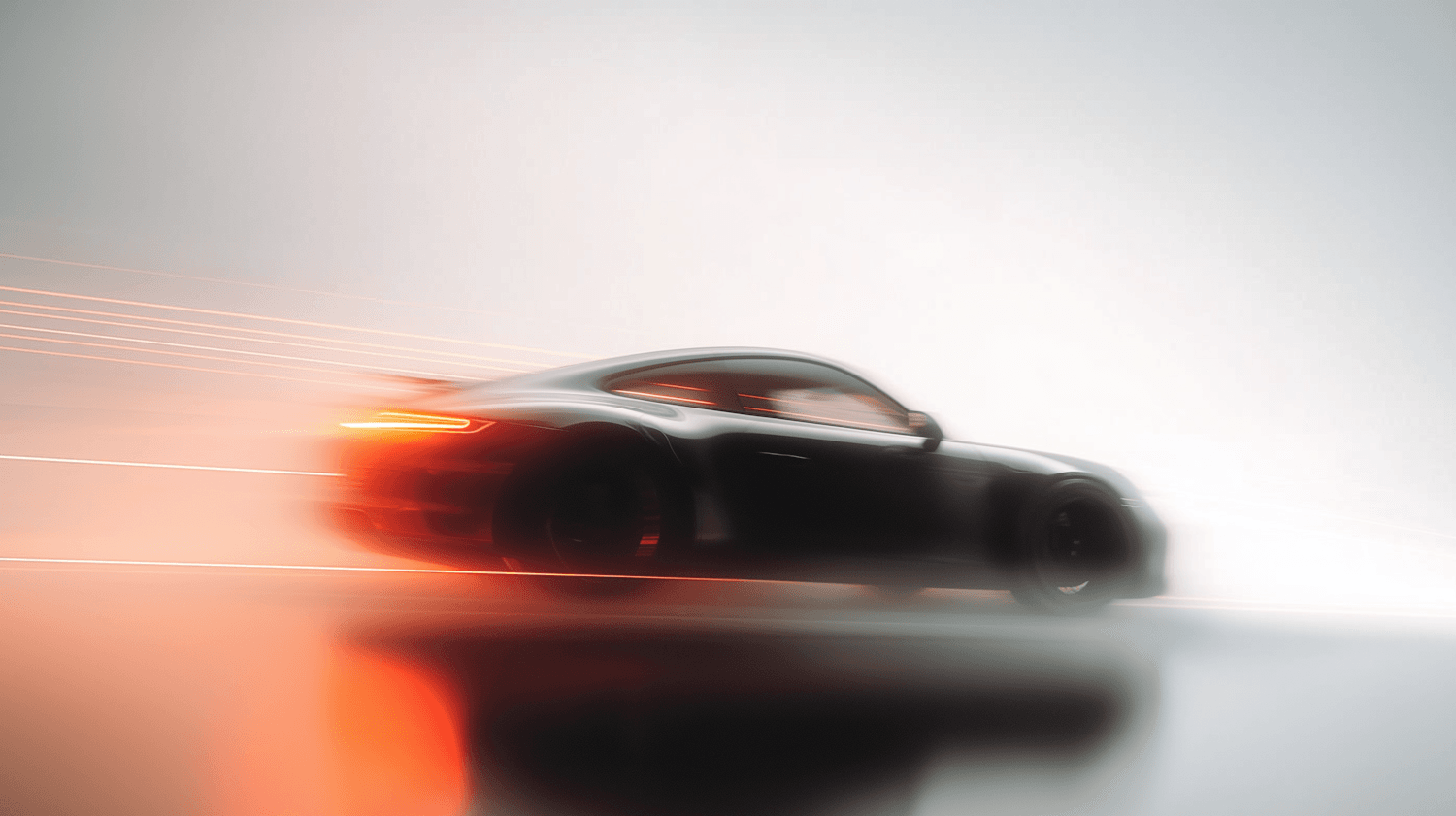
Aerodynamic drag rises sharply with speed, so sustained fast motorway driving uses noticeably more energy per mile than town driving. This is the single biggest factor for most drivers, and it is the opposite of how petrol cars behave.
Cold weather has a real cost
A cold battery is less efficient, and heating the cabin draws energy that would otherwise move the car. Preconditioning while plugged in recovers a meaningful part of that loss.
Terrain, load and tyres
Sustained climbs, a full car, a roof load or larger wheels with a softer compound all increase consumption. Climbs give some of it back on the way down through regeneration.
Driving style
Smooth inputs and reading the road far enough ahead to lift off early let regeneration do the slowing. Hard acceleration followed by hard braking is where range quietly disappears.
What you can control
Keep tyres correctly inflated, precondition on the plug rather than on the road, use scheduled charging, and pick a regeneration setting that suits your route. None of it is dramatic, and together it makes a real difference.
Drive it before you decide
Reading about a car only gets you so far. Book a test drive and spend proper time with the SU7 on a route that includes both town traffic and open road, or request the brochure first if you would rather have the detail in front of you.